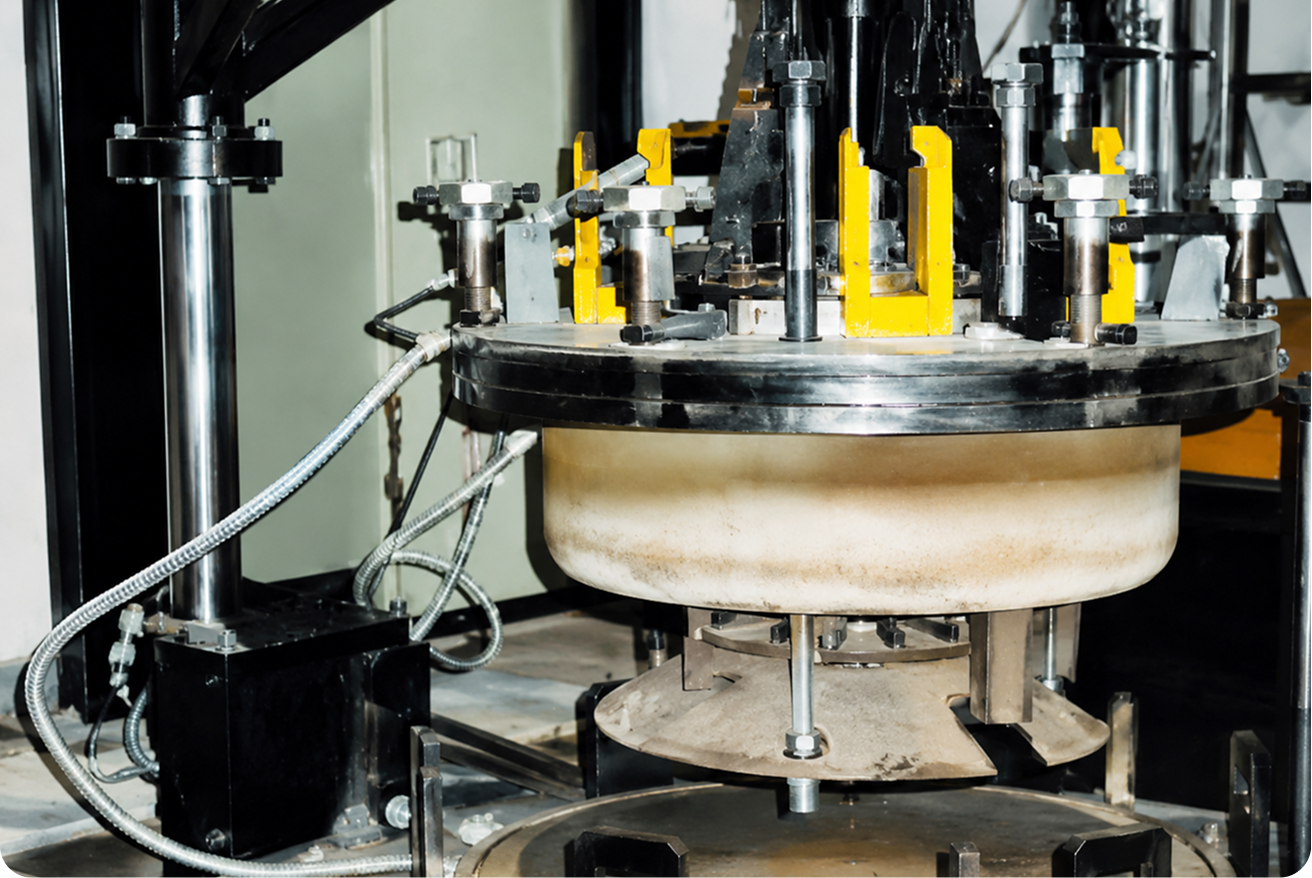
Normalizing
Normalizing
Refined Grain Structure & Stress Relieved Uniformity
Normalizing is a thermal process where steel is heated into the austenitic range (approx. 55°C above Ac3) and then cooled in still or circulated air to produce a refined, uniform ferritic-pearlitic grain structure.
Key Specifications
Eliminating Coarse Forging & Casting Microstructures
Removes casting segregation, refines large dendritic grains in forgings, and establishes isotropic mechanical properties for superior machinability and predictable subsequent hardening.
Typical Components for Normalizing
Standard pre-machining heat treatment for rough forgings and castings.
Heavy Forged Billets & Rings
Rolled rings, wind turbine flange blanks, and heavy forged blocks.
Cast Steel Valve Bodies
Sand-cast pump housings, pressure vessels, and cast turbine casings.
Connecting Rods & Crankshafts
Automotive forgings prior to finish machining and induction hardening.
Structural Welded Fabrications
Heavy plate fabrications requiring grain homogenization in the HAZ.
ASTM E112 Microstructural Grain Size Audits
Equipped with metallographic optical microscopy to confirm ASTM No. 5-8 fine grain size and uniform pearlite distribution across all sections.
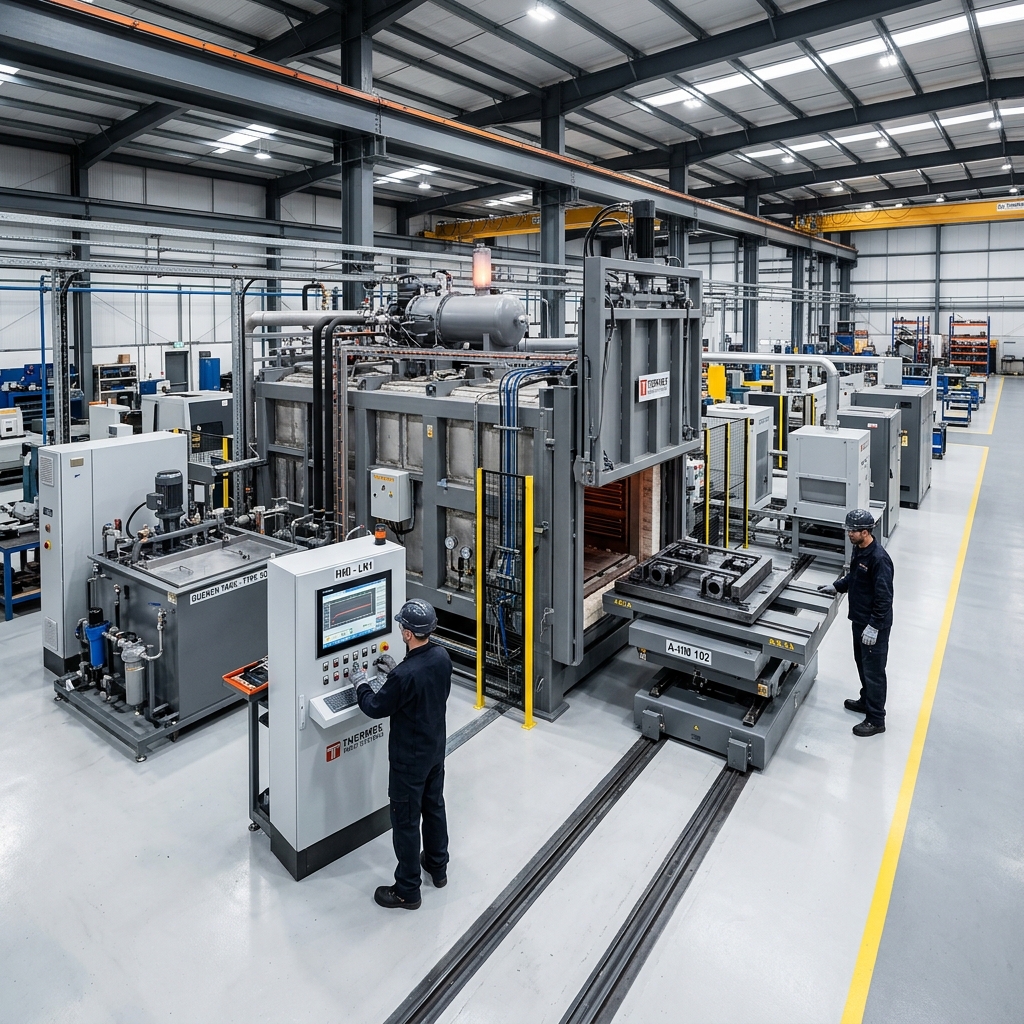
Other Heat Treatment Services
Vacuum Hardening
Delivers bright, oxidation-free hardening with minimal distortion.
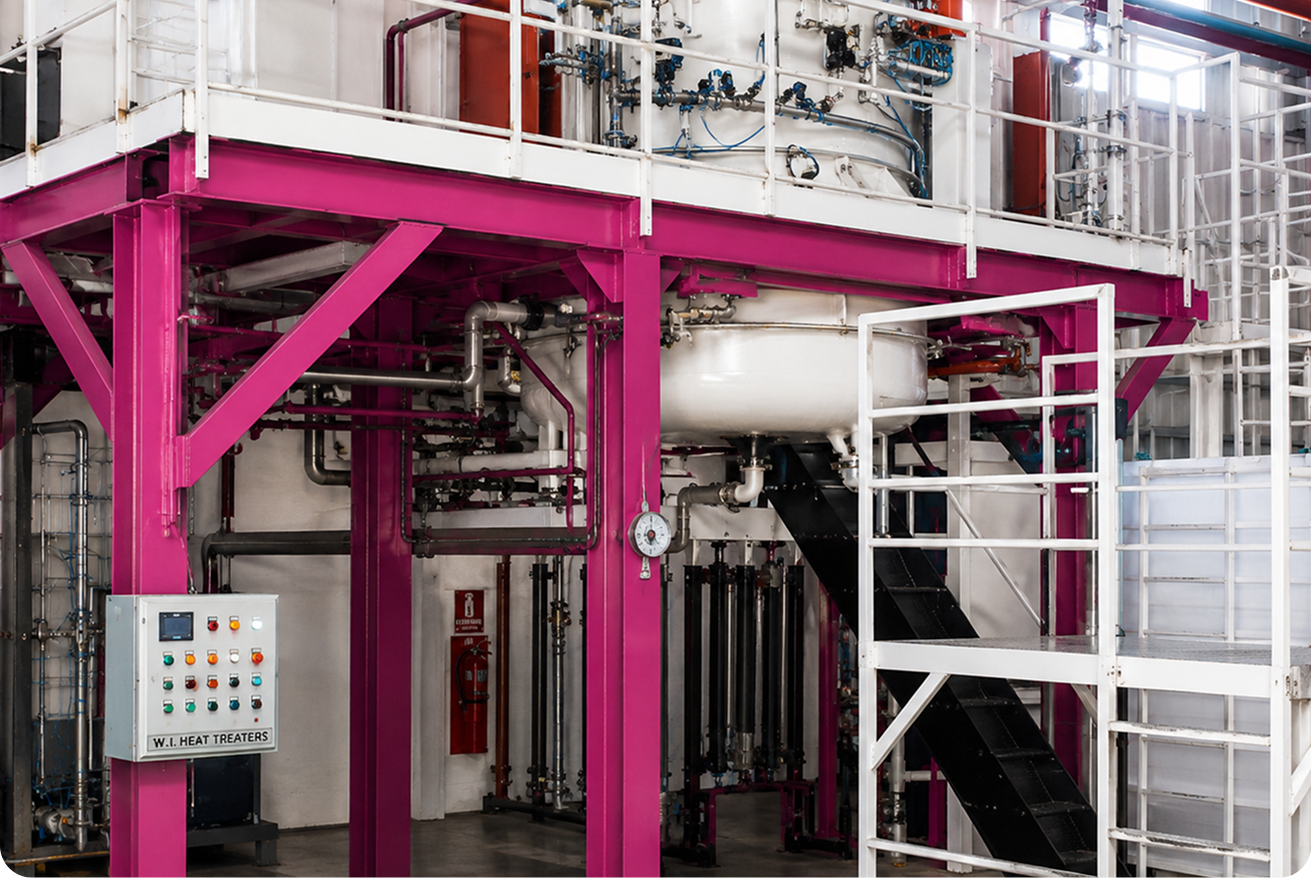
Gas Carburising
Enhances surface hardness while maintaining a tough core for improved durability.
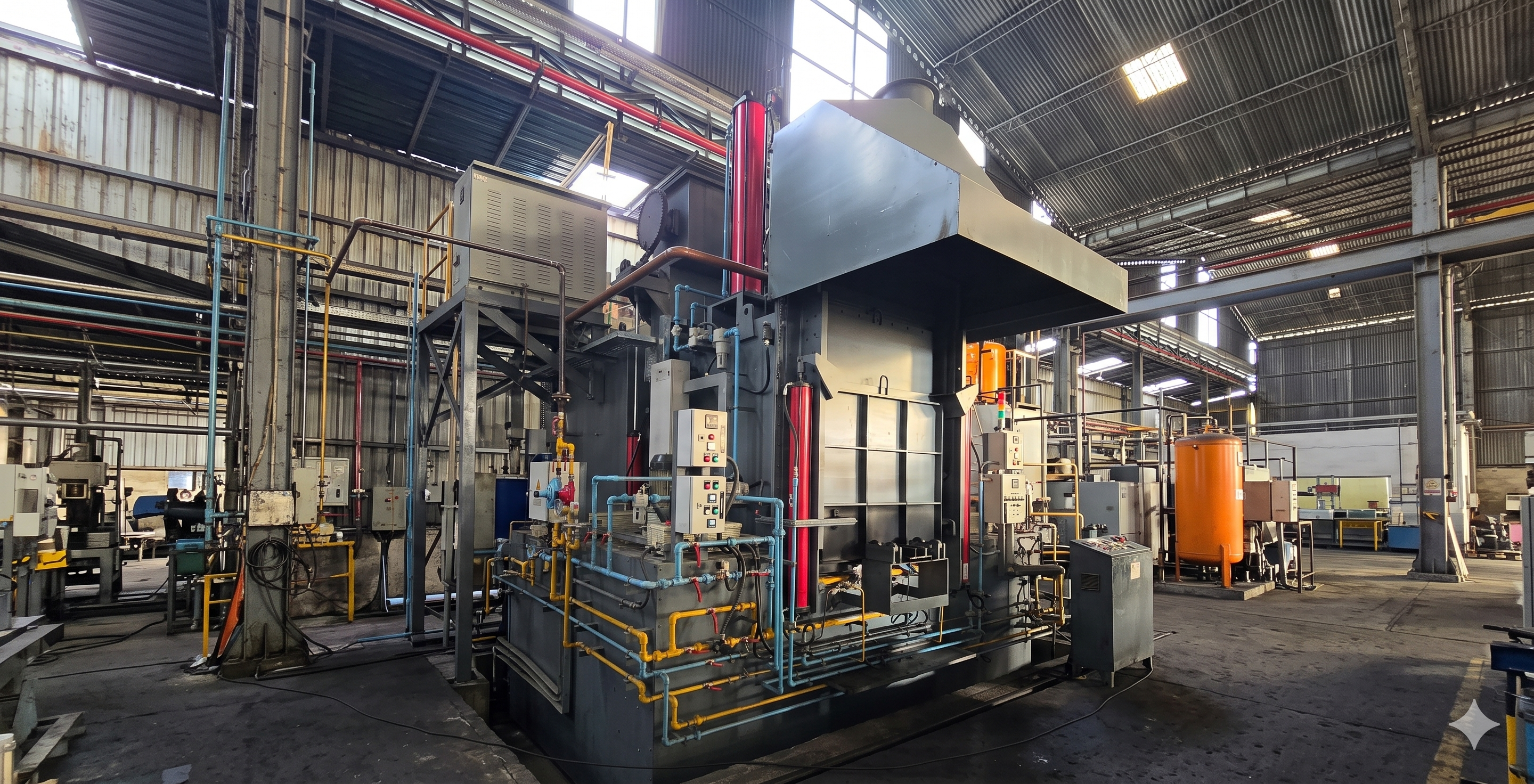
Gas Nitriding
Produces a hard, wear-resistant surface without compromising core strength.